Staging notes
Photo staging vs. physical staging: start with the image
You can give buyers a better feel for a room without furnishing it first. Photo staging is a low-cost place to start, and your first photo is free.
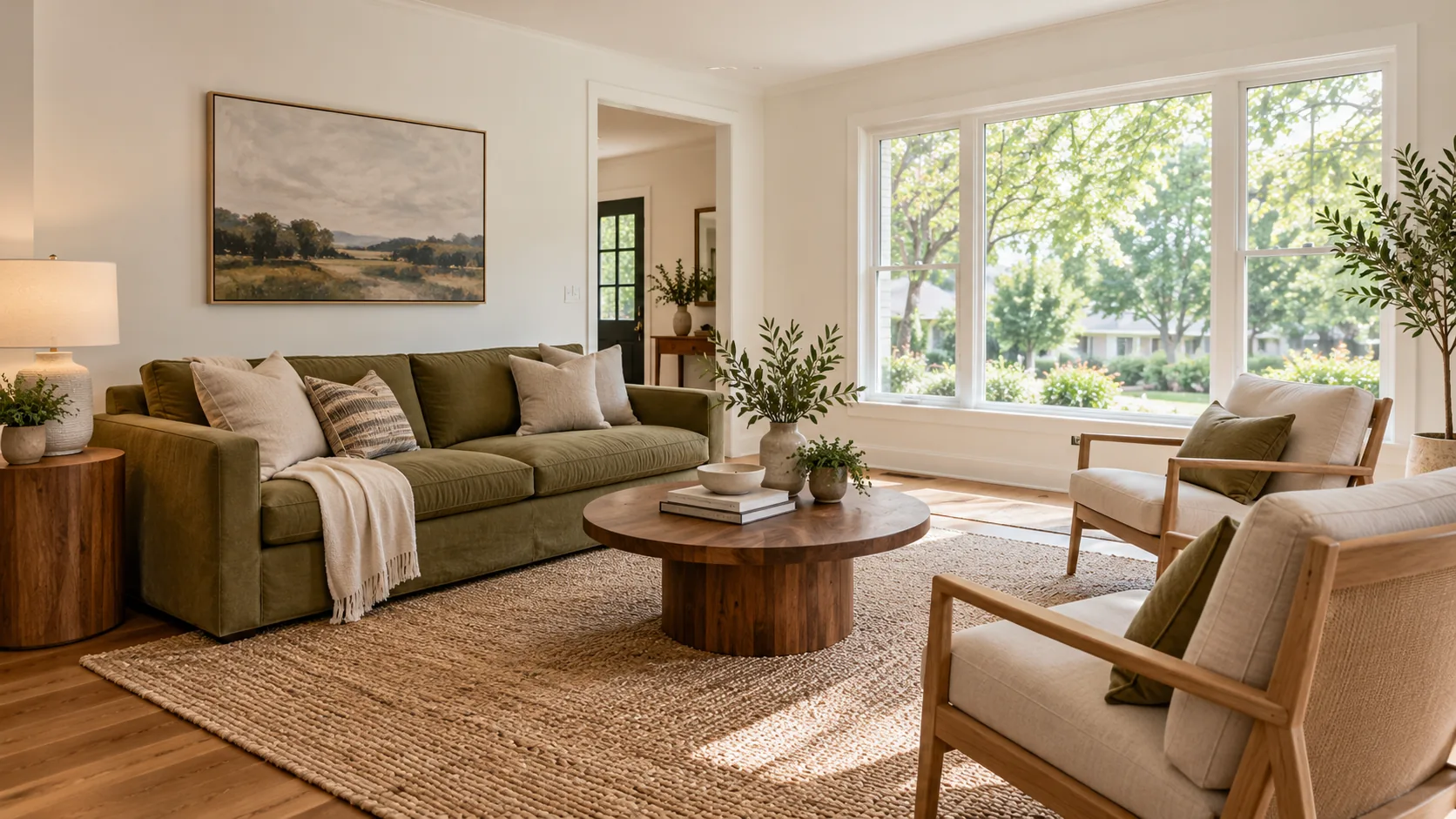
Photo staging, also called virtual staging, is a practical option when you want a property to look better online but are not ready to spend money furnishing it. The room stays as it is. Furniture and styling are added digitally to the photograph, so buyers can picture how the space could work.
That alone can be useful. An empty living room gives someone walls, windows, and a floor to look at. A thoughtfully staged image gives them a place to put the sofa. It helps answer a question they might otherwise leave the listing with: could I feel at home here?
At Set & Style, Quick Photo Staging is available now. Your first photo is free. If you want more rooms done, additional photos are offered at an affordable price agreed with you before work starts.
What changes with physical staging?
Physical staging happens in the property. Furniture is rearranged, accessories are edited, and rooms are prepared for both photographs and visits. In an occupied home, much of that work can use what is already there. Furnishing an empty property is a bigger undertaking, involving actual pieces being brought in and later removed.
The benefit carries through to the showing. A buyer walks into the same arrangement they saw online. They can stand beside the sofa, see the space around the dining table, and get a feel for the room in person.
There is also the practical side: arranging access, moving things, and keeping rooms ready. Depending on the work involved, there may be furniture hire, delivery, and collection to pay for. For some properties that makes sense. For others, the immediate need is simply a stronger set of listing photos.
What changes with photo staging?
With photo staging, the finished photograph changes. The property does not. You send a picture of the room, and Gal creates a digitally staged version with furniture and styling chosen for that space.
Think of a vacant living room with a good window and no obvious seating area. A sofa, a rug, and a pair of chairs can help explain the layout in a single image. The window is still the window. The walls stay where they are. The furniture gives the eye something familiar to measure the room against.
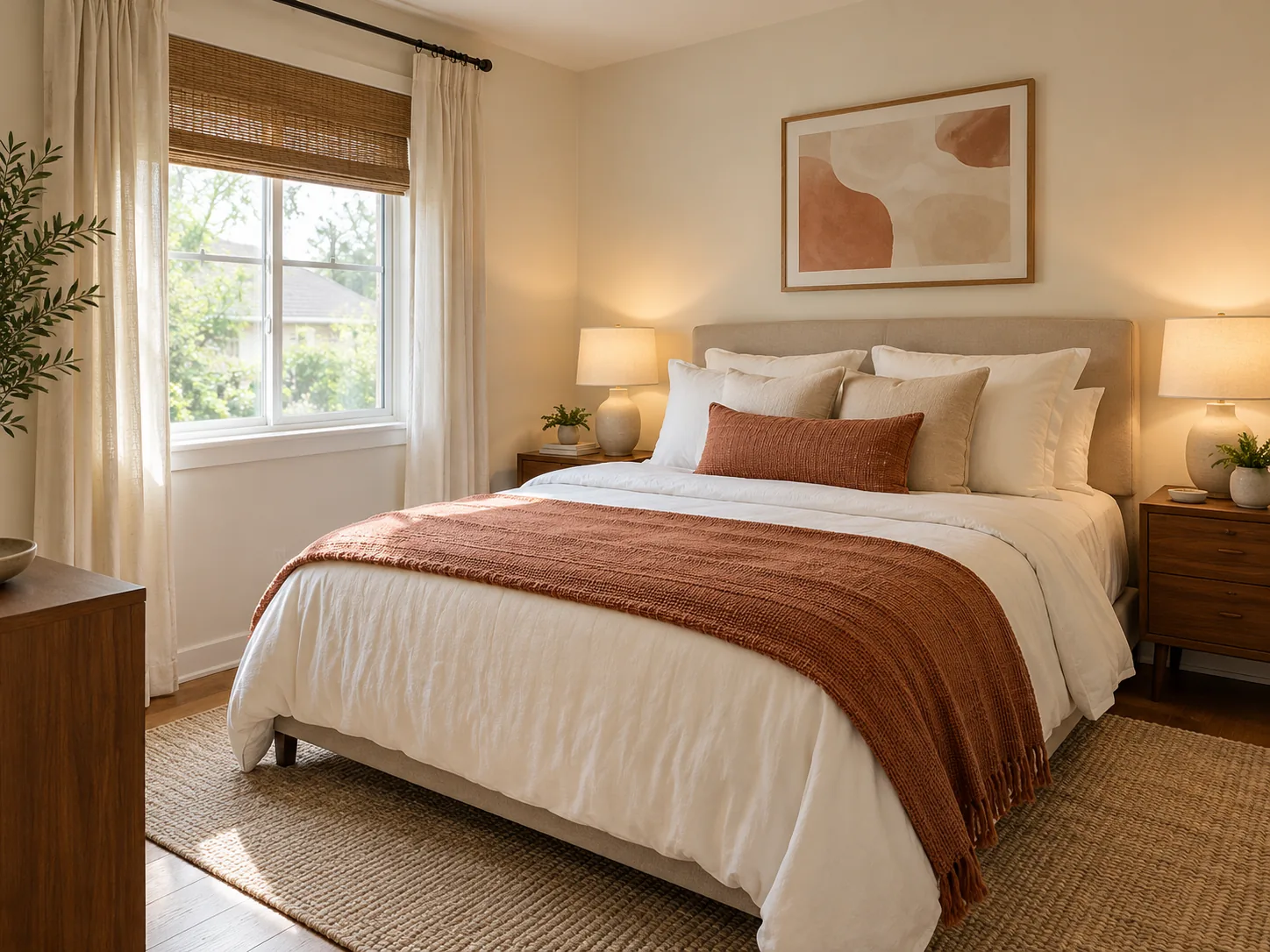
The aim is a room that feels believable. Furniture needs to fit, with enough space to walk around it. A small bedroom should still look like a small bedroom, just one with a sensible arrangement. Making everything look bigger would miss the point.
A low-cost way to improve the first impression
You do not have to stage the whole property to improve how it looks in a listing. Starting with one important photograph can already give buyers a clearer, more inviting view of the space.
Photo staging avoids the furniture rental, delivery, and collection costs of a physical install. There is no sofa to carry upstairs and nothing to return when the listing ends. That makes it a low-cost option when the budget needs to go toward cleaning, repairs, photography, or the move itself.
It also lets you start small. Try the living room first. Look at the original beside the staged version and decide whether it helps explain the space. Then choose whether another room would benefit. You do not need to commit to every photo at once.
A stronger image gives the property an advantage in presentation: someone browsing can see a possible use for the room instead of having to invent one. It is not a promise about sale price or how quickly a buyer will call. It is a useful improvement to the part of the property they see first.
Choose the room that needs the most explanation
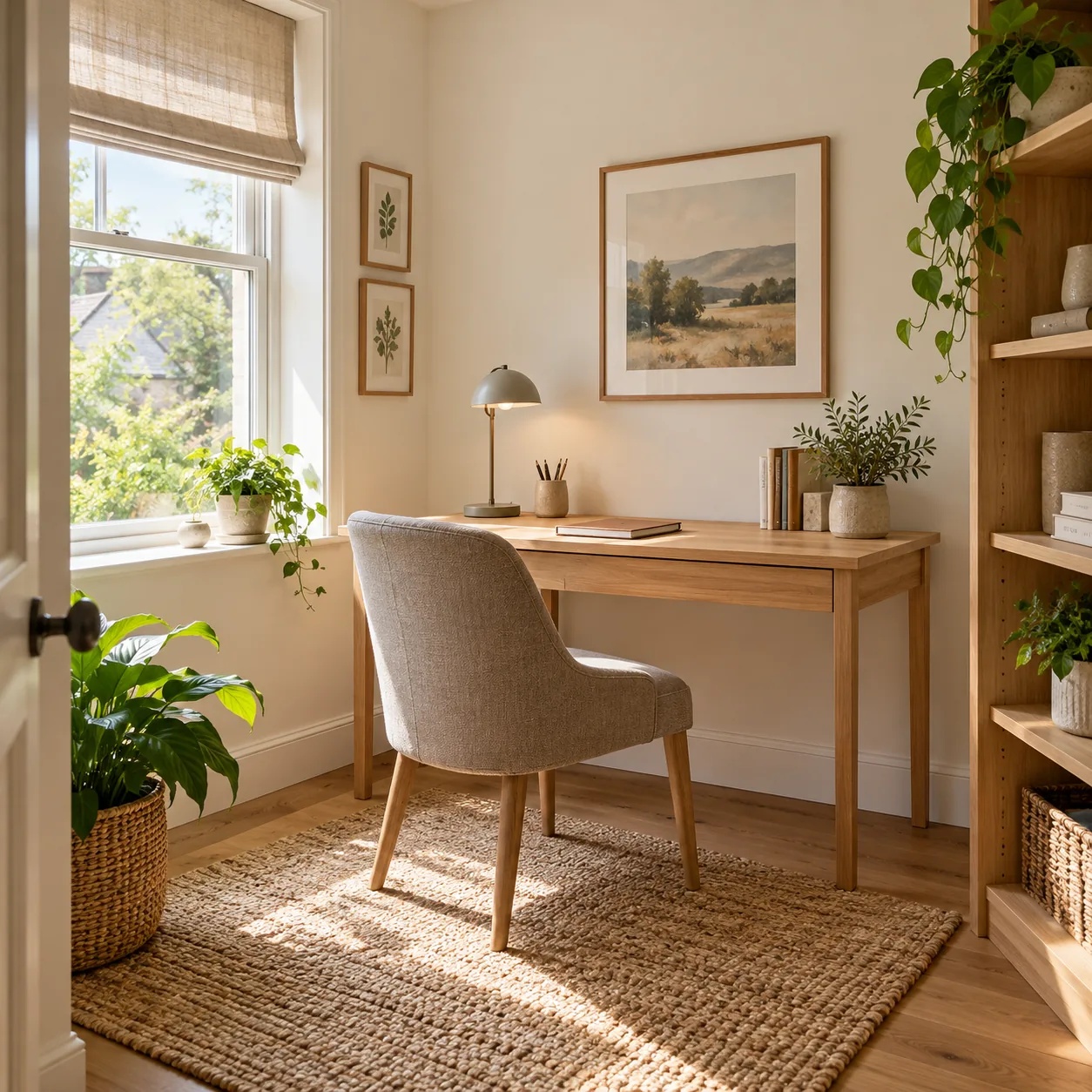
The living room is often a good starting point, especially when an empty open plan makes furniture placement hard to judge. A bedroom can benefit when there is nothing in the photo to suggest where a bed would fit. An unused room might need a simple desk and chair to show its potential as an office.
Not every photograph needs work. If the kitchen is already clear and inviting, leave it alone. Spend attention on the room that makes you pause when you scroll through the listing.
Keep the original photo, too
A staged image shows a possibility. Buyers should know that the furniture is digital and will not be there at the viewing. Label the image clearly as virtually staged and keep the original available alongside it.
The edits should respect the property. Doors, windows, room proportions, and permanent features belong in the picture as they are. Photo staging is for showing a furniture arrangement, not disguising damage or suggesting renovations have already happened.
You will still want the actual property clean and ready for visits. The photograph helps someone imagine living there; the showing lets them decide how it feels.
Start with one photo
If moving furniture or arranging a full staging install is more than you need right now, start with the image. You can improve the presentation of the property without changing the property itself.
Send Gal a clear room photo through Quick Photo Staging. Include what the room is used for and anything you would like help showing. The first photo is free, so you can see the approach on your own space before deciding on more.
For the difference that arranging the actual room can make, read why home staging matters before you list. If you are unsure which approach suits your listing, send a digital staging request and Gal will follow up by email.