Staging notes
Five home staging options, and when each makes sense
A lived-in home, an empty room, and a rushed photo day need different plans. Explore five staging approaches and find a sensible starting point for yours.
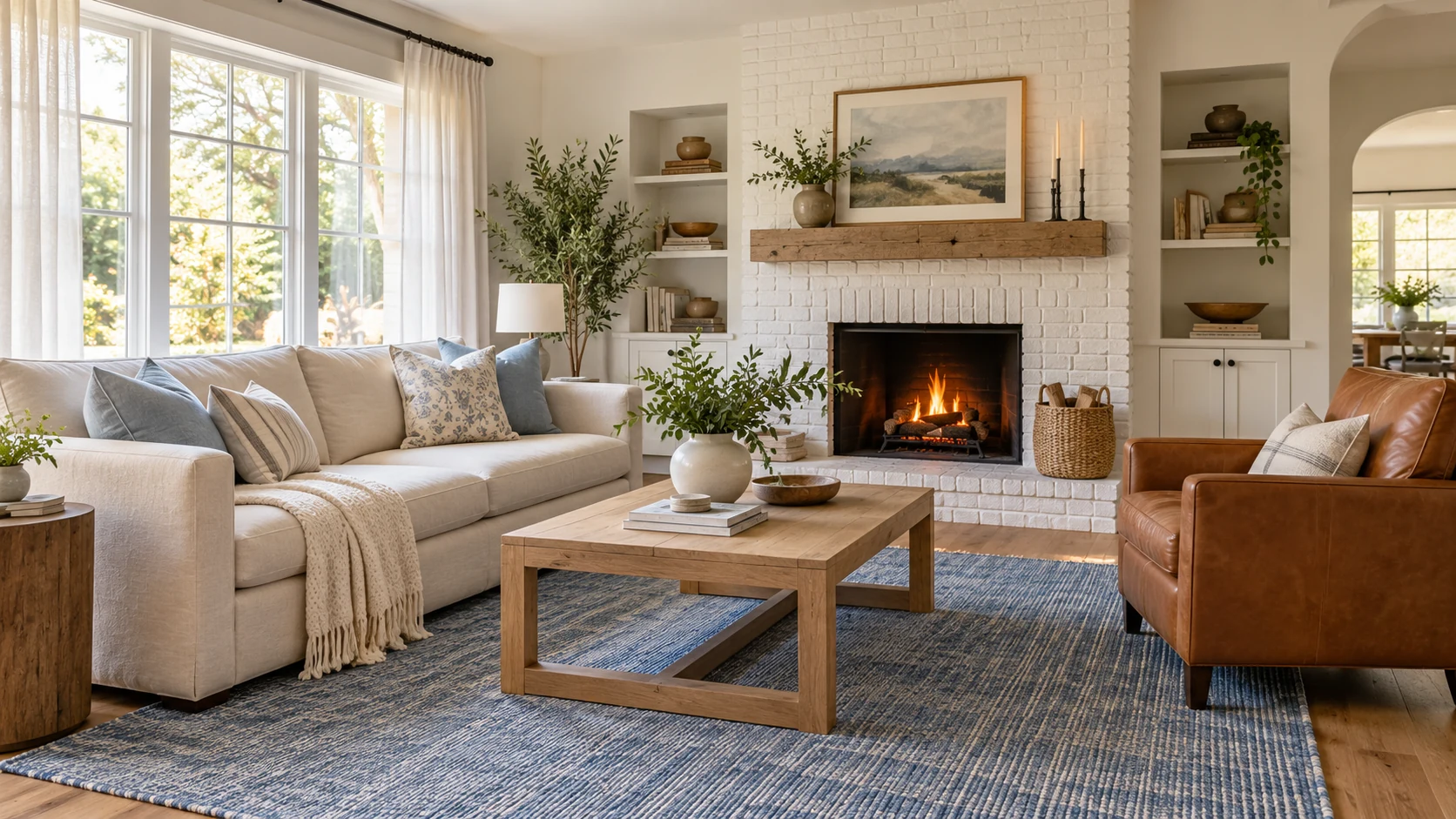
One living room. Five ways to prepare it for sale. You could edit what is already there, get a professional plan, rearrange the actual furniture, furnish an empty space, or show a possible layout digitally. These home staging options solve different problems, so the useful question is not simply, "Which looks best?" It is, "What does this home need buyers to understand?"
Imagine a living room with a lovely window, two oversized chairs, and a desk tucked into the walkway. It may not need anything new. It may need one chair removed and the desk moved. Now imagine the same room completely empty. The challenge changes: buyers have to picture where everyday life would happen.
Here is how to think through five approaches before choosing your next step.
1. DIY preparation: give the room some breathing space
DIY staging starts with the things you can change yourself: clearing surfaces, editing personal items, cleaning, and making the furniture arrangement easier to read. It suits a home where the main pieces already fit and the biggest distraction is the accumulation of daily life.
Start with one room and take a photograph from the doorway. Does your eye go to the window and seating area, or to a stack of bags beside the sofa? Photographs can make those distractions easier to notice than walking through a familiar room.
Try removing the small things before moving the big ones. Clear the coffee table, gather loose cables, and put away items that belong elsewhere. Then check the path through the room. Keep useful everyday belongings in a basket or cupboard that is easy to reach between showings.
The limitation is perspective. You may be so used to stepping around a chair that you no longer notice it. If you keep rearranging without understanding why the room feels awkward, a consultation can give the work direction.
2. A staging consultation: a plan before the effort
A consultation helps identify what deserves attention and in what order. It can be a sensible starting point when you have several rooms to prepare, limited time, or conflicting suggestions from people helping with the move.
Bring specific questions. Should the spare room read as an office or a bedroom? Is the dining table too large for its position? Which room should you tackle before the photographer arrives? A conversation is more useful when it connects to a real decision.
Ask what the consultation includes. An introductory conversation and a detailed room-by-room action plan are different scopes of work. Establish who will carry out the changes and whether any follow-up is included before arranging further help.
At Set & Style, the free 30-minute staging consultation is a place to discuss your home and possible next steps. You can book a consultation to talk through the areas that feel hardest to prepare.
3. Occupied staging: work with the home you live in
Occupied staging uses furniture already in the property. The work focuses on placement, editing, flow, and styling so rooms feel intentional while remaining manageable for the people living there.
In our imaginary living room, that might mean moving the desk out of the walkway, choosing one chair instead of two, and giving the sofa a clearer relationship to the window. The improvement comes from how the pieces work together.
This approach carries through from listing photographs to in-person visits because the arrangement exists in the room. It also requires a practical reset routine. Decide where everyday items will go and which surfaces you can quickly clear before a showing.
Set & Style's home staging service focuses on this kind of work with existing furniture. If a piece needs to leave a room, decide where it can realistically go before moving it. A calmer living room should not create a blocked hallway.
4. Vacant staging: furnish the space buyers will walk through
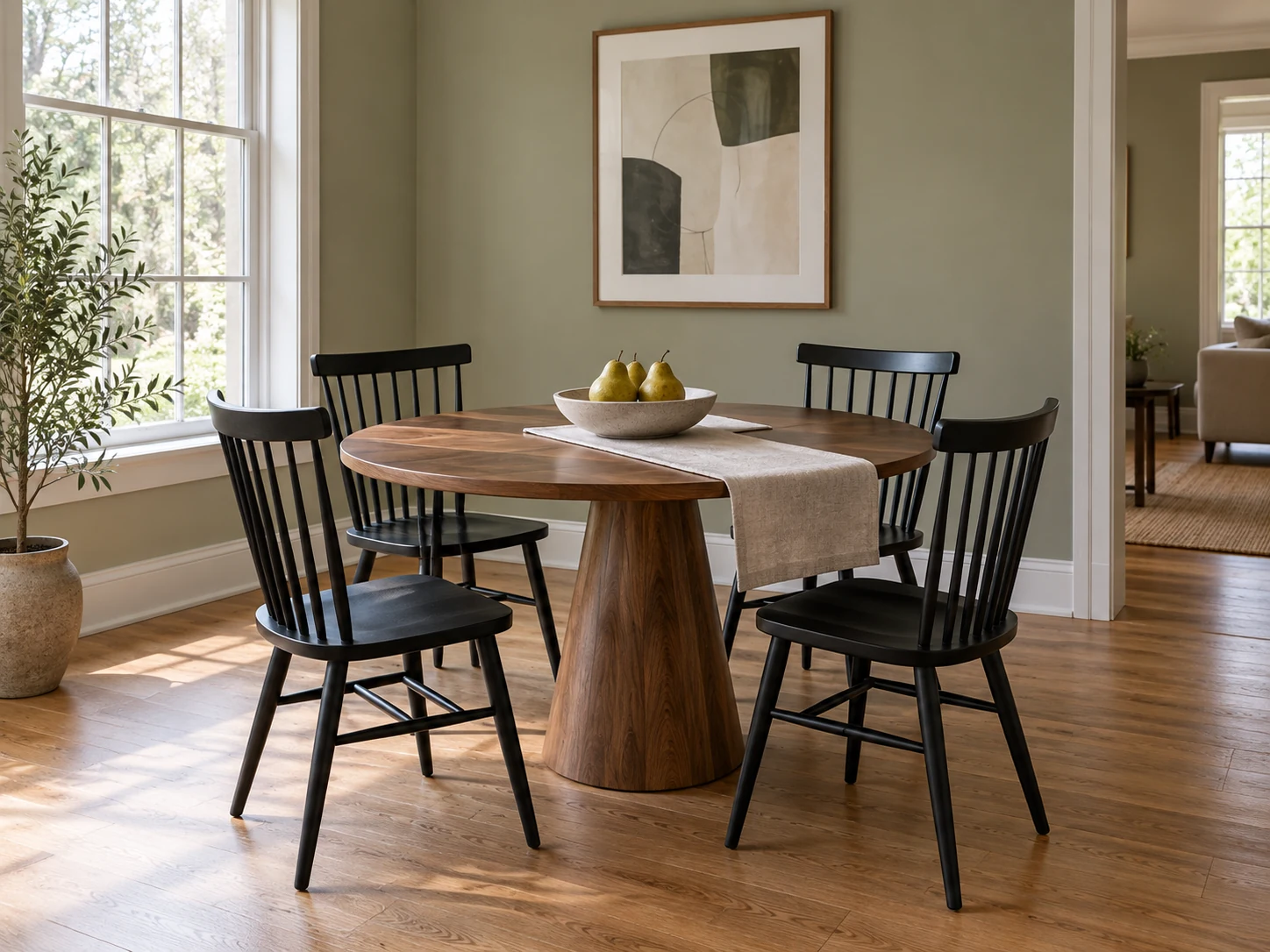
Vacant staging involves bringing actual furnishings into an empty property. It can help demonstrate room purpose and furniture scale during visits, particularly where an open layout leaves buyers wondering how to divide the space.
It is also a different logistical commitment. With a provider offering furniture installation, clarify which rooms are included, how long the furnishings stay, and how delivery and removal work. Ask what happens if the listing period changes and request a clear account of the costs before agreeing.
Consider the property itself, too. Are access and timing straightforward? Is cleaning complete? Would a few key rooms explain the layout, or would partially furnished spaces feel disconnected? These questions help define the scope.
Set & Style does not offer vacant-home furniture installation or rentals. For an empty property, we can discuss the space in a consultation and recommend an approach.
5. Virtual staging: show a possibility in the photograph
Virtual staging adds furniture and styling digitally to a room photograph. The actual property stays unchanged. It can illustrate a possible use for an empty room or help explain a layout in the listing images.
That distinction matters when planning a showing. A digitally furnished office will still be empty when a buyer arrives. Label the image clearly as virtually staged and keep the original photo alongside it so the presentation is easy to understand.
Good visual planning respects the room's proportions, doors, windows, and permanent features. Furniture should look as though it could fit and function there. The purpose is to communicate a plausible arrangement, not conceal damage or imply completed renovations.
Set & Style offers Quick Photo Staging, with the first photo free and additional photos priced by agreement before work. For a closer comparison, read our guide to photo staging and physical staging.
You can combine approaches without doing everything
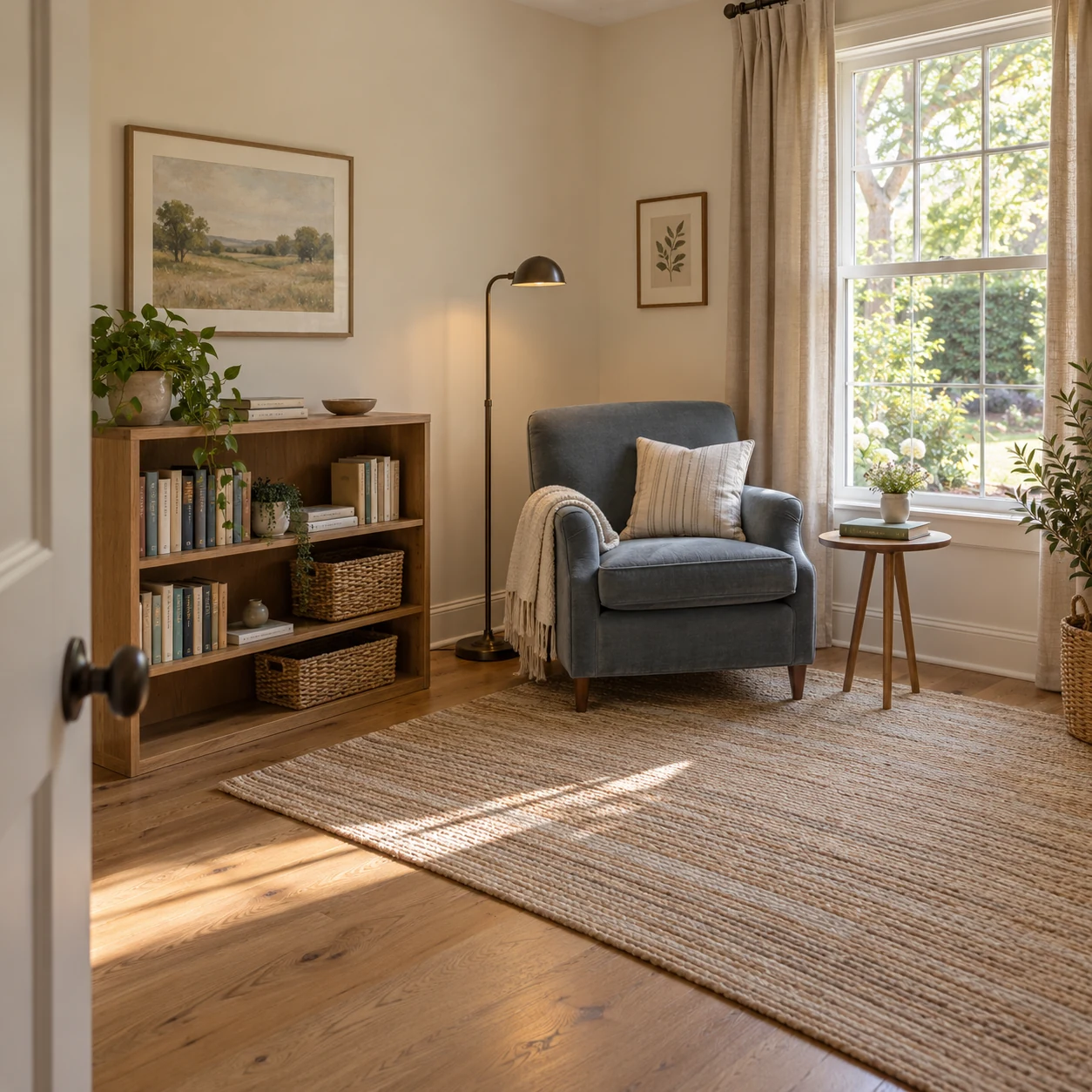
These options do not have to be an all-or-nothing choice. A homeowner might use a consultation to prioritize tasks, prepare most rooms themselves, and get help arranging the main living area. An empty property might need cleaning and photography preparation alongside clearly labeled virtual images.
Begin with three questions: Is the home occupied? Does the problem exist in the actual room, in the photographs, or both? How much preparation can you realistically manage before listing?
If your furniture works but the room feels busy, start by editing. If you cannot see what to change, start with a conversation. If the room is empty, decide whether you need to demonstrate its use during visits, online, or both.
The aim is a home that is easy to understand, with a preparation plan you can actually carry out. For homeowners and realtors in North Atlanta, start your digital staging request and we can find a sensible place to begin.