Staging Studies
Staging Studies
Explore how Set & Style approaches furniture placement, flow, styling, scale, and listing-ready presentation.
Why furniture scale matters in listing photos
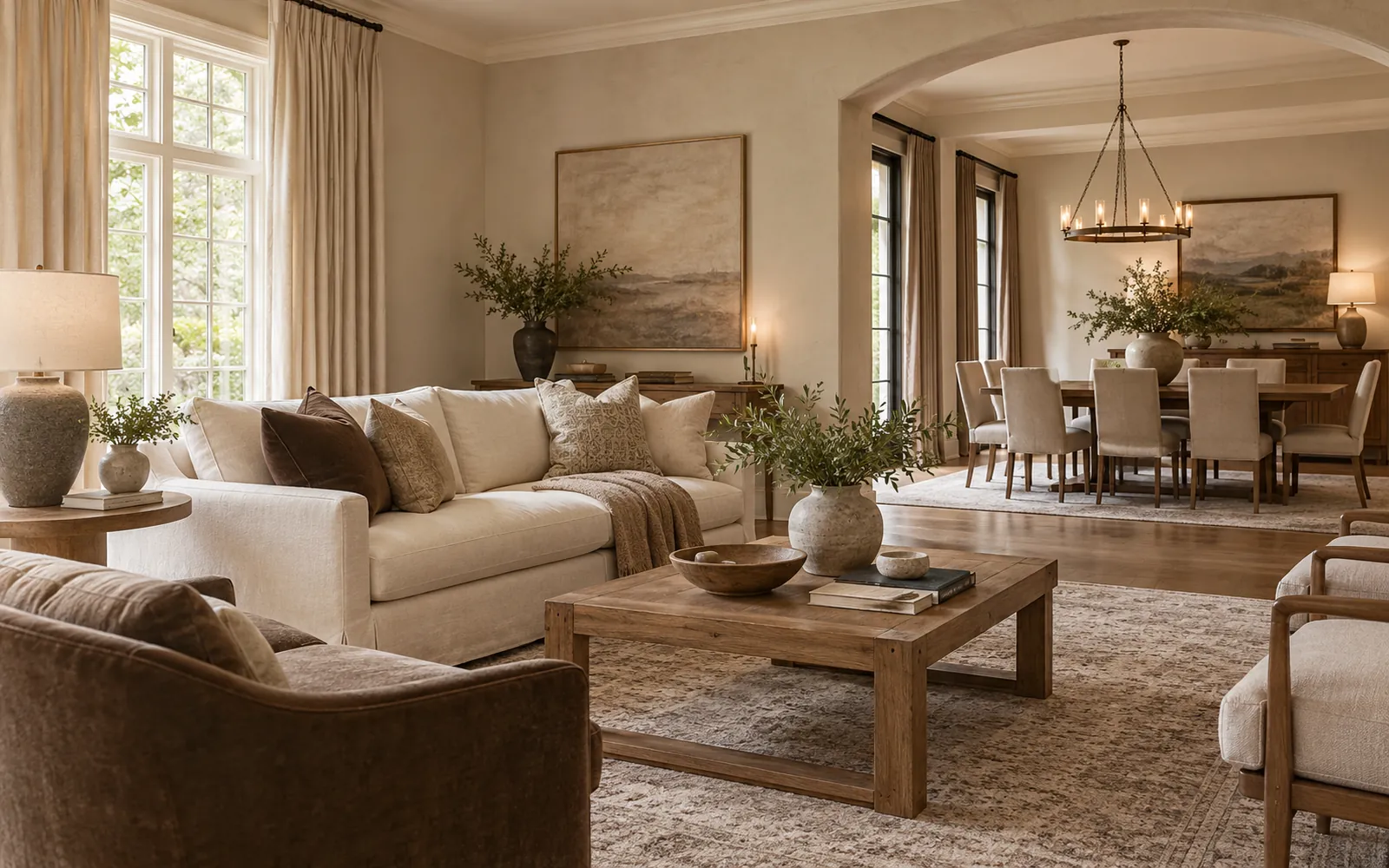
A sofa from a larger house can erase the walking path and make a normal living room look tight. Scale is often the first edit, before any styling.
Why clear pathways make rooms easier to understand
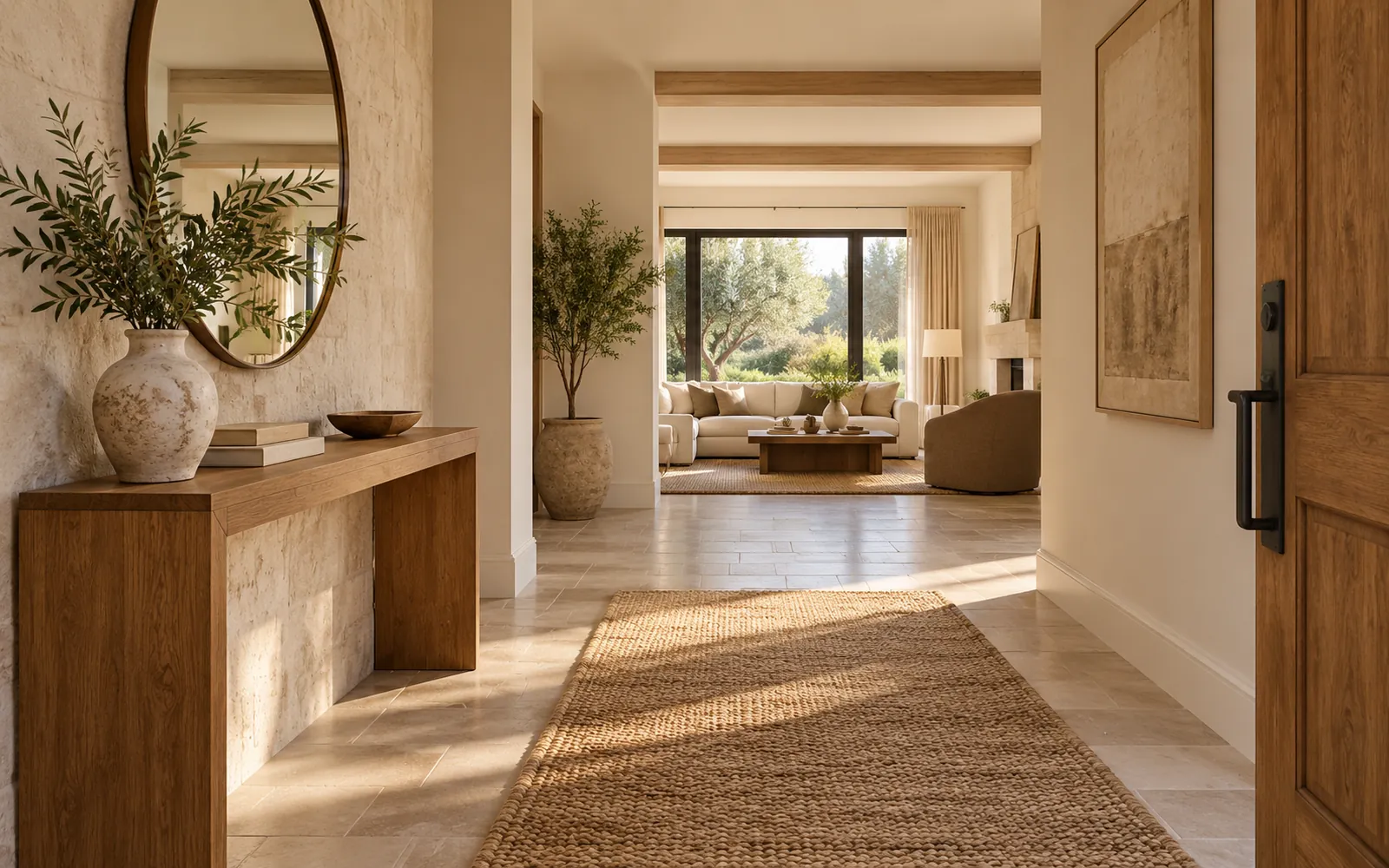
Buyers read a room from the doorway. If the path from the entry toward the kitchen is blocked, the plan feels smaller than it is.
Why too many small objects create visual noise
Collections, papers, and extra accessories pull the eye off the architecture and off the room's job. Editing is part of photography readiness.
How furniture orientation changes a room
Seating aimed only at a television can hide the longest view. Turning the group can open a sightline and show how someone would actually use the room.
Why lighting consistency matters
One ceiling light and a dark corner photograph as a dim house. Lamps on, shades even, and daylight that is not fighting a yellow bulb make the photo easier to trust.
How to name an ambiguous room
A bonus room that reads as storage does not tell a buyer what the space is for. One clear use, with furniture that supports it, is enough.
A staging decision, in brief
Observation: the seating blocks the natural path from the entry toward the kitchen and makes the living room look tighter than it is.
Decision: remove one chair, rotate the seating group, simplify the coffee table, and open the sightline toward the main architectural feature. The room then reads as a place to walk through and a place to sit.
Preparing to list? Learn more about North Atlanta home staging, read why staging matters before the photographer arrives, or send a digital staging request.
Start here
Start your digital staging request.
Choose your style, tell us about the listing, and share up to three room photos. Gal will reply by email.